1. The Fundamental Problem with Vacuum Bags
For decades, travelers attempting to compress soft clothing have relied on two imperfect solutions: manual roll-up vacuum sleeves that crumple garments into distorted rocks, or motorized mini-vacuum pumps that consume battery life, occupy valuable charging ports, and risk confiscation at airport screening checkpoints.
AirPack solves this via the patented Kinetic Displacement™ manifold. By engineering mechanical flapper valves directly into the structural seams of the backpack, everyday pressure—such as leaning lightly against the pack or tightening the exterior aluminum ladder straps—forces ambient air molecules out through an asymmetric silicone membrane.
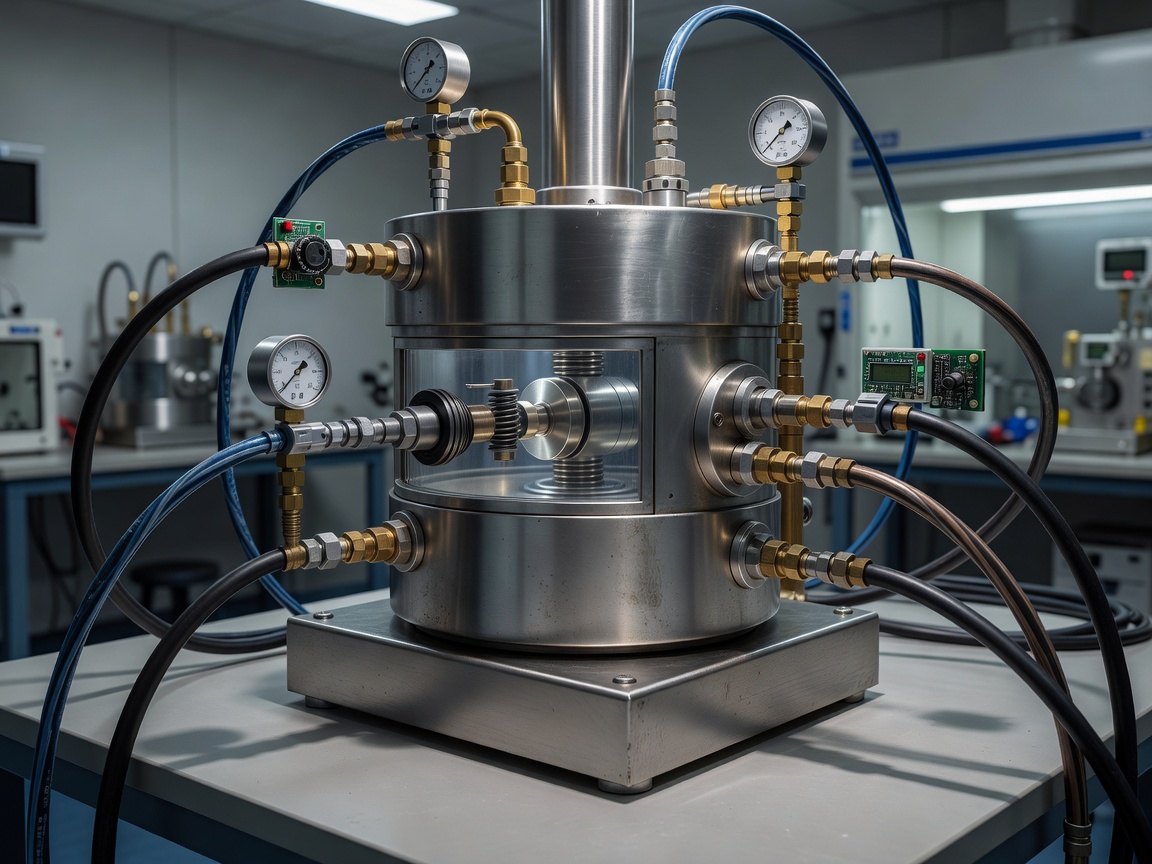
Fluorosilicone Reed
Unidirectional leaf seal prevents ambient backflow while releasing air at pressure differentials as low as 0.05 bar.
Quick-Purge Pin
Instant manual equalization pin allows instantaneous re-expansion in 1.2 seconds when accessing apparel at your destination.
Micro-Filter Screen
Sintered stainless-steel filter mesh prevents clothing lint and grit from fouling internal pneumatic seals.
2. Structural Protection of Fragile Electronics
When vacuum bags compress indiscriminately, they create tremendous torsional shear stress. If a laptop, tablet, or camera housing is trapped within an ordinary vacuum sack, the contracting force can shatter display panels or bend aluminum chassis.
Happybundlezayppy engineers resolved this through Zonal Decoupling. The AirPack interior features a dual-truss structural backbone made from carbon-infused polyamide. All compression forces are strictly isolated inside the apparel cell, while the electronics cocoon remains completely free of negative pressure and mechanical clamp load.
3. Moisture and Odor Hermetic Seals
A secondary advantage of one-way air expulsion is total moisture defense. When traveling through humid equatorial climates or snowy mountain ranges, the expelled internal air carries damp ambient humidity out through the one-way exhaust. Once compressed, moisture, road dust, and cabin bacteria cannot penetrate the hermetic chamber barrier.
For extended trips, laundry can be stored in the isolated Zone C chamber without any odor migration into your clean apparel or electronic peripherals.