1. The Challenge of Compression Tensile Forces
When you compress 45 liters of bulky apparel down to 18 liters, standard sewing seams and poly-nylon fibers experience extreme lateral stress. Common backpacks burst their zippers or pull stitches apart when subjected to internal mechanical pressure.
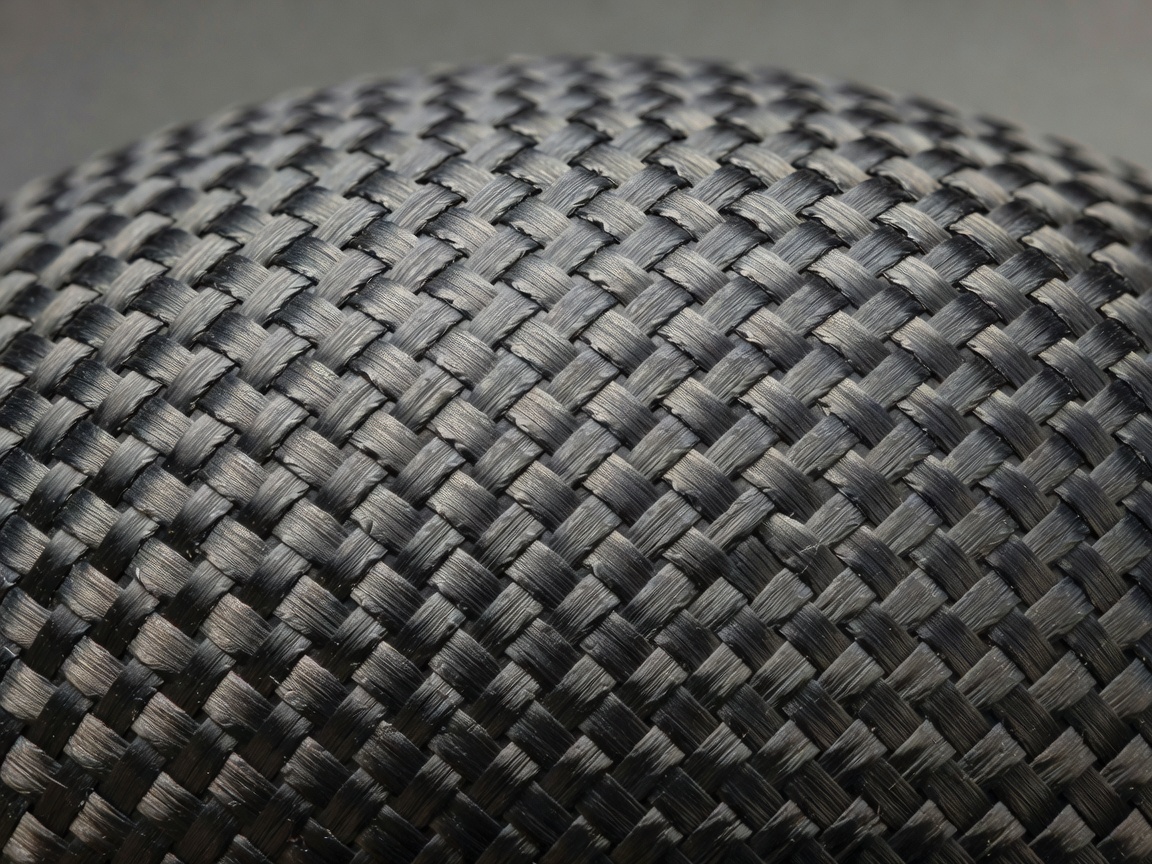
AirPack utilizes a proprietary composite weave incorporating Ultra-High-Molecular-Weight Polyethylene (UHMWPE)—the same fiber matrix specified in naval mooring lines and law-enforcement ballistic vests. This molecular structure yields a tensile strength 15 times greater than structural steel by mass.
UHMWPE Diamond Face
Micro-filament cross-weave repels razor cuts, tarmac scraping, and high puncture impacts up to 3,200 Newtons.
Hypalon Stress Welds
Ultrasonic sonic-welded anchor nodes withstand continuous 500-cycle cinch tension without thread perforation.
TPU Reverse Lamination
Seamless internal coating guarantees zero pneumatic vapor leakage through weave pores during high compression.
2. Sealed Hypalon Stress Nodes
Anchor points for the shoulder harness, load-lifters, and compression cinches are reinforced with synthetic chlorosulfonated polyethylene (Hypalon). Laser-welded using ultrasonic frequency transducers rather than traditional needle stitching, each stress node distributes kinetic load evenly across the entire backplane.
Even when fully cinched to maximum 40% compression volume, stress meters indicate that seam deflection remains under 0.04 millimeters.
3. Weatherproofing in Extreme Transit Scenarios
Whether riding in the back of an open safari vehicle through Kenya or walking through torrential monsoons in Tokyo, moisture ingress can ruin delicate electronics. Every external zipper on the AirPack is an authentic YKK Aquaguard Hydro-Shield zipper with dual PU lamination. The outer face is treated with a plant-based C0 durable water repellent (DWR) coating, causing rainwater to bead instantly and roll off the composite surface.